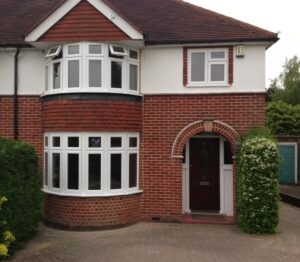
Double Glazing for Energy Efficiency
In an era where environmental awareness is on the rise and energy costs are constantly climbing, property owners are looking for ingenious options to enhance energy effectiveness in their houses. One such service that has acquired prevalent popularity is double glazing. This short article looks into the idea of double glazing, its benefits, and how it contributes to energy effectiveness, as well as addressing some frequently asked concerns about the technology.
What is Double Glazing?
Double glazing describes a window building method that includes two panes of glass separated by an area filled with gas or air. This style creates an insulating barrier that considerably reduces the transfer of heat in between the interior and outside environments. Typically, the space in between the glass panes is filled with argon gas, known for its thermal insulation properties.
Key Components of Double Glazing
| Element | Description |
|---|---|
| Outer Pane | The first layer that faces the outdoors environment. |
| Inner Pane | The 2nd layer that faces the interior of the home. |
| Spacer Bar | A product that separates the two glass panes. |
| Gas Fill | Usually argon or krypton, provides insulation in between panes. |
| Sealant | Holds the glass in place and prevents wetness ingress. |
Advantages of Double Glazing
Double glazing is progressively ending up being an attractive alternative for homeowners and home builders alike, primarily due to its numerous advantages:
1. Energy Efficiency
Among the most significant benefits of double glazing is its ability to improve energy performance. By lowering heat loss throughout winter and keeping interiors cooler in summertime, double glazing lessens the requirement for heating and cooling systems, ultimately resulting in lower energy expenses.
2. Improved Comfort
Homes fitted with double-glazed windows are usually more comfy. By keeping a constant indoor temperature, double glazing removes cold drafts and locations, making living spaces more pleasurable year-round.
3. Sound Reduction
Double glazing also acts as an effective . The additional layer of glass and the insulating gas in between aid to take in and decrease outdoors noise. This is particularly useful for homeowners residing in urban locations or near busy roadways.
4. Increased Property Value
Increased energy performance and comfort levels can enhance the total value of a property. Potential purchasers frequently view double-glazed windows as an appealing feature, making homes with this upgrade more desirable.
5. Condensation Prevention
The insulating residential or commercial properties of double glazing also decrease the probability of condensation forming on the interior side of the windows. This is crucial for avoiding mold and wetness damage, adding to a healthier indoor environment.
How Double Glazing Works
The effectiveness of double glazing lies in its design:
- Insulating Layer: The space in between the two panes acts as an insulating layer, decreasing heat transfer.
- Low-E Coating: Many double-glazed windows are coated with a low-emissivity (low-E) material, which reflects heat back into the home throughout winter season and blocks extreme heat from going into throughout summer season.
- Ventilation: Modern double-glazed windows frequently incorporate ventilation solutions that enable fresh air into the home without jeopardizing insulation.
Considerations for Double Glazing Installation
When thinking about double glazing installation, homeowners should take into consideration the following factors:
- Type of Gas: Argon and krypton are frequently utilized as insulating gases. Krypton is more efficient however also more expensive.
- Window Frame Material: The product of the frame (uPVC, wood, or aluminum) can impact energy efficiency. For instance, uPVC and wood are much better insulators than aluminum.
- Installation Quality: Proper setup is essential for making the most of energy effectiveness. Poorly set up windows can result in air leaks and decrease the total efficiency of double glazing.
Kinds Of Double Glazing
There are different styles of double-glazed windows available:
- Standard Double Glazing: The most common setup, offering considerable insulation.
- Triple Glazing: An upgrade over double glazing, providing even better thermal insulation however at a greater cost.
- Secondary Glazing: An extra window set up over an existing single-glazed window, primarily used in noted structures.
Often Asked Questions (FAQs)
Q1: Is double glazing worth the financial investment?
Yes, while the initial expenses may be higher than single-glazed windows, the long-term cost savings on energy expenses and increased comfort make double glazing a rewarding financial investment.
Q2: Can I install double glazing myself?
While some house owners might try DIY setups, it is recommended to hire a professional for the very best results, guaranteeing a correct fit and maximized energy performance.
Q3: How long does double glazing last?
With correct care and upkeep, double-glazed windows can last for 20-30 years. However, the lifespan depends upon the quality of materials and setup.
Q4: Are there any upkeep requirements for double-glazed windows?
Double-glazed windows need minimal maintenance; regular cleansing and looking for seal integrity once a year are suggested.
Double glazing is an effective tool in the pursuit of energy performance for the modern house owner. By offering repairmywindowsanddoors.co.uk of advantages from energy savings to improved comfort and sound decrease, it attends to numerous of the obstacles faced in traditional window setups. As sustainability ends up being a significantly essential consideration in home style, the application of double glazing can significantly contribute to minimized carbon footprints and increased home worth. Purchasing double-glazed windows is a financial investment in future convenience, energy cost savings, and ecological obligation.